
How Technology is Shaping Future Healthcare Trends
- Apr 28
- 4 min read
The landscape of healthcare is rapidly evolving, driven by advancements in technology. From artificial intelligence to telemedicine, these innovations are changing how we manage our health and interact with healthcare providers. As we look toward the future, it’s clear that technology will continue to play a crucial role in shaping healthcare trends.
Future Healthcare Through Telemedicine
Telemedicine has emerged as a game-changer in healthcare delivery. It allows patients to consult with healthcare professionals through video conferences and digital platforms. This approach not only saves time but also ensures that patients in remote areas can access quality healthcare services.
Statistics indicate that telemedicine usage surged during the COVID-19 pandemic, with a report showing a 154% increase in telehealth visits in the last week of March 2020 compared to the same time in the previous year. This trend is likely to persist as both patients and providers have recognized its benefits.

Furthermore, telemedicine can reduce healthcare costs. By minimizing in-person visits, patients save on travel expenses and time off work. For healthcare providers, it means less burden on physical facilities, allowing them to allocate resources more efficiently.
Future Healthcare and Personalized Medicine
Personalized medicine is another area where technology is making significant strides. By leveraging genetic information, healthcare providers can tailor treatments to individual patients, greatly improving outcomes. This trend is made possible through advancements in genomics and biotechnology.
For example, genetic testing can identify specific mutations that contribute to diseases. Physicians can then prescribe medications that target these mutations, enhancing the effectiveness of treatment. In cancer care, for instance, targeted therapies have shown remarkable success in treating specific types of tumors.

This shift toward personalized medicine ultimately leads to better patient satisfaction and increased adherence to treatment plans. A study published in the Journal of Clinical Oncology found that patients who received personalized treatment plans had a higher quality of life compared to those who received standard therapies.
What are the Big 4 of Big Data?
The term “big data” refers to the vast amounts of information generated in the healthcare sector. It can be harnessed to improve patient care, enhance operational efficiency, and drive innovation. The "big 4" of big data are:
Volume: The sheer amount of data generated from various sources such as electronic health records, wearables, and genomic data.
Velocity: The speed at which data is generated and processed, enabling real-time decision-making and responses.
Variety: The various forms of data, including structured data from traditional databases and unstructured data from social media, wearable devices, and more.
Veracity: The quality and accuracy of data, which is essential for making informed decisions in healthcare.
Healthcare organizations can leverage these four facets to optimize operations and improve patient outcomes. For example, analyzing large data sets can help identify patterns in patient behavior, leading to proactive healthcare strategies.
AI and Machine Learning in Diagnostics
Artificial intelligence (AI) and machine learning are transforming diagnostics by enabling faster and more accurate evaluations. For instance, AI algorithms can analyze medical images to identify tumors much earlier than human radiologists.
A landmark study found that AI outperformed human radiologists in detecting breast cancer from mammograms. These advancements not only enhance diagnostic accuracy but can also result in earlier treatment, potentially saving lives.

Additionally, machine learning algorithms can sift through extensive clinical data to uncover trends that might not be visible to practitioners. By providing insights into patient conditions, practitioners can make better-informed decisions regarding treatment protocols.
Health Wearables and Remote Monitoring
The rise of health wearables is another exciting trend shaping future healthcare. Devices such as smartwatches and fitness trackers monitor various health metrics, from heart rate to oxygen saturation levels. These devices can provide valuable data to both patients and healthcare providers, encouraging healthier lifestyles.
Remote monitoring has become particularly significant during the pandemic. Patients with chronic conditions can maintain regular check-ins with their healthcare providers without the need for physical appointments. This continuous flow of data enables healthcare professionals to make timely interventions when needed.
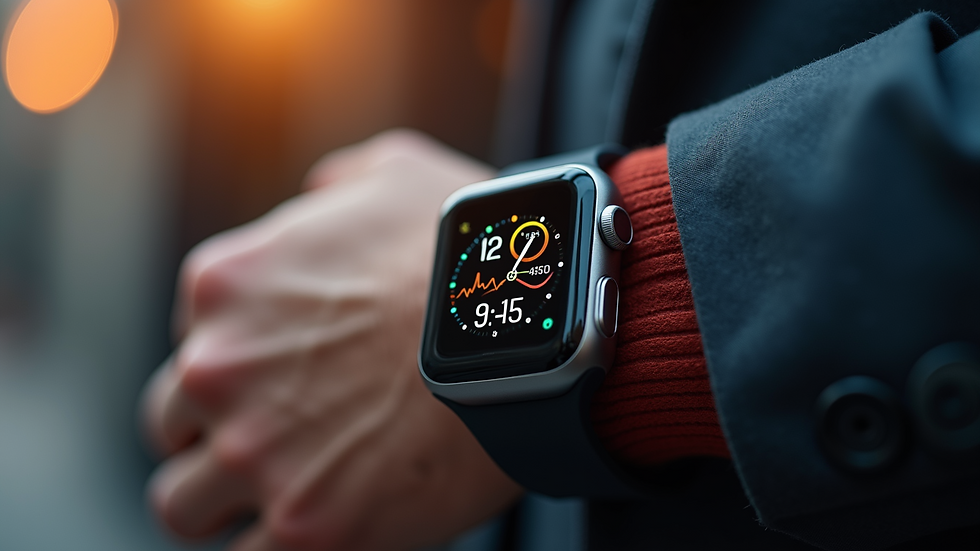
Wearable health technology also empowers individuals by giving them more control over their health. Many people are motivated to improve their wellbeing when they can see real-time feedback on their activities and health metrics.
The Role of Blockchain in Healthcare
Blockchain technology is steadily making its way into the healthcare industry. It provides a secure, decentralized way to store and share patient data. With blockchain, healthcare providers can share patient records securely without compromising privacy.
This technology can also streamline supply chains for pharmaceuticals, ensuring the authenticity of products and reducing the risk of counterfeit drugs reaching patients. By tracking drugs from manufacturer to patient, blockchain can enhance safety and transparency.
Furthermore, blockchain can facilitate real-time data sharing between healthcare institutions, which is vital in emergencies. In a scenario where a patient arrives at the hospital unconscious, having immediate access to their medical history could be life-saving.
Moving Forward: The Future of Healthcare Technology
The integration of technology in healthcare is expected to grow exponentially in the coming years. With the advent of technologies like augmented reality (AR) and virtual reality (VR), we may soon see innovative training tools for healthcare providers, enhancing their skills without the risk of harming patients.
Moreover, as regulations improve and technologies advance, we can expect greater accessibility to healthcare delivery models. Investing in technological advancements will empower healthcare providers to offer better care, resulting in improved patient outcomes.
In summary, understanding these technological trends is crucial for adapting to the future of healthcare. Embracing telemedicine, personalized medicine, AI diagnostics, health wearables, and blockchain will shape a new era of healthcare that is more responsive, individualized, and efficient. As we move forward, the synergy between technology and healthcare is not just a trend but a necessity for better health outcomes worldwide.


Comments